How to Hire Commercial Fit Out Contractors
Last Updated: November 5, 2026
Quick Summary
Hiring commercial fit out contractors starts with defining the full scope of work, then vetting bidders on references, bonding, licenses, and insurance rather than price alone. Ask each contractor for itemized costs by trade, a contingency line, and written confirmation of what the price excludes. Award to the partner who flags building requirements early and treats the schedule as a commitment.
- A fit-out prepares a space for a new occupant; a renovation upgrades a space someone already uses.
- Ask for an itemized breakdown by trade plus a contingency line before comparing bids.
- Request verifiable project references from the last two years and proof of bonding capacity.
- Confirm insurance and bonding limits match your project value and get warranties in writing.
- Ask what is excluded from the scope and how change orders are priced.
Table of Contents
- What the Interior Fit-Out Scope of Work Covers
- Commercial Fit-Out Cost: What Drives the Budget
- The Commercial Fit-Out Process, Step by Step
- How to Vet Commercial Fit Out Contractors Before You Sign
- Questions to Ask Before You Hire
- What Separates a Good Fit-Out Partner from a Bid
- Frequently Asked Questions
What the Interior Fit-Out Scope of Work Covers
Hiring commercial fit out contractors starts with knowing what you're buying: the work that turns a bare shell into a working environment. The scope should name every trade, finish, and building service across five buckets: space planning; partitions, ceilings, and finishes; mechanical and electrical systems; life safety such as sprinklers, alarms, and egress; and permits and approvals required before occupancy.
A fit-out prepares a space for a new occupant; a renovation upgrades a space someone already uses.
GSA tenant improvement guidance explains how federal tenant improvement projects separate base building work from tenant work, which is a useful model for any commercial tenant negotiating a lease.
Commercial Fit-Out Cost: What Drives the Budget
Commercial fit-out cost depends on scope, not square footage alone. Four drivers shape the budget: building condition, finish level, occupancy type, and schedule.
Ask any commercial contractor for an itemized breakdown by trade plus a contingency line, and confirm in writing whether permits, fire sprinkler modifications, and after-hours work are inside the number.
The Commercial Fit-Out Process, Step by Step
The commercial fit-out process runs through a predictable sequence: define business requirements; concept design and space planning; detailed design and construction documents; permits and approvals; procurement and scheduling, where long-lead items set the critical path; construction; inspections and certificate of occupancy; then handover and post-occupancy support.
OSHA construction industry standards govern worker safety on every active job site, which is one reason a contractor's safety record belongs in your evaluation.
explore our construction management services to see how a construction manager coordinates trades, budget, and schedule from preconstruction through closeout, or review our construction services for the full range of commercial construction and renovation work.
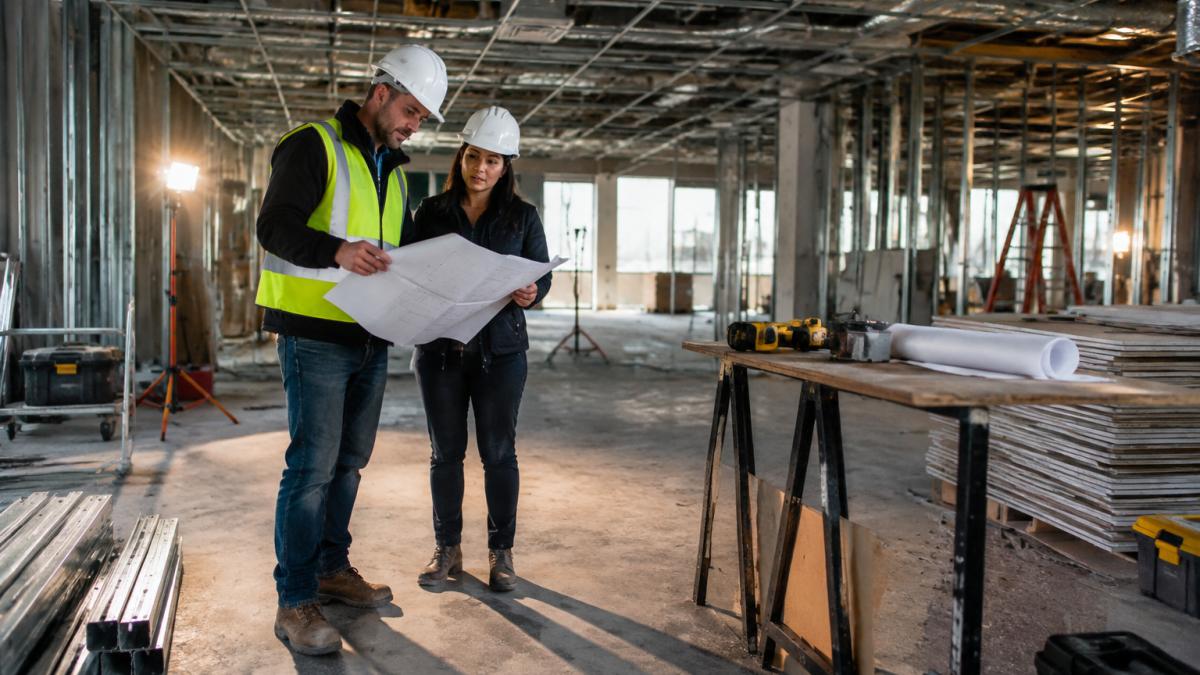
The fit-out process follows a predictable sequence from requirements to post-occupancy support.
| Step | What happens |
|---|---|
| Define business requirements | Establish what the space must do |
| Concept design and space planning | Lay out the space |
| Detailed design and construction documents | Produce build documents |
| Permits and approvals | Secure required sign-offs |
| Procurement and scheduling | Long-lead items set the critical path |
| Construction | Build the fit-out |
| Inspections and certificate of occupancy | Confirm the space is occupiable |
| Handover and post-occupancy support | Transition to the occupant |
How to Vet Commercial Fit Out Contractors Before You Sign
Vetting separates commercial fit out contractors who finish on schedule from those who don't. Ask for verifiable project references from the last two years, proof of bonding capacity, and current licenses for every trade, then confirm insurance and bonding limits match your project value and get warranties in writing. A common mistake is awarding on price alone.
SBA government contracting guidance covers how certification programs work for public-sector work, which helps when you're verifying a contractor's credentials.
When you're ready to move from evaluation to award, read our buyer's guide to selecting commercial general contractors for a deeper diligence checklist.
Questions to Ask Before You Hire
- Who is my day-to-day point of contact, and how often do we meet?
- What is excluded from this scope?
- How do you price change orders?
- What happens if a long-lead item slips?
- Who handles warranty calls after closeout?
Contractors who answer these crisply tend to run tight projects.
What Separates a Good Fit-Out Partner from a Bid
The best fit-out partner manages risk before it becomes a change order, flagging building requirements early, coordinating design disciplines, and treating the construction schedule as a commitment rather than an estimate.
That's how we operate at International Construction Solutions Ltd. Our team brings over a decade of experience and certifications including MBE, WBE, DBE, EDGE, and SBE to commercial and institutional work, with ongoing preventive and corrective maintenance after occupancy.
Frequently Asked Questions
What should you look for when hiring a commercial fit out contractor?
Check licensing, bonding capacity, insurance limits and certifications such as MBE, DBE or EDGE if you work on public projects. Ask for completed projects in your building type within the last two years, and confirm who supervises the site daily. Get a written scope that names mechanical, electrical and finish work separately, so you can compare bids line by line instead of on a single lump sum.
What is the difference between a fit-out and a renovation?
A fit-out shapes an interior for a specific occupant, covering layout, partitions, finishes and building services in a space that is often new or already stripped back. A renovation upgrades or repairs an existing, occupied space, so it usually involves demolition, code upgrades and phased work around tenants. The commercial fit-out process moves faster when the shell is empty; renovations carry more unknowns behind the walls.
What drives commercial fit-out cost the most?
Mechanical and electrical work usually takes the largest share, followed by interior finishes and specialty systems such as medical gas or commercial kitchen equipment. Cost also rises with after-hours scheduling, permit complexity and long-lead items. Because pricing depends on square footage, building condition and scope, ask each commercial fit out contractor for an itemized breakdown rather than a square-foot estimate.
Ready to scope your next fit-out with a contractor who documents everything? Contact International Construction Solutions Ltd to discuss your project, and get a clear scope, schedule, and itemized budget before you sign anything.
